
Earlier detection matters
Health isn't one size fits all. It's personal.
Your family, your genes and the way you live all shape your risk. Early Detection Australia helps you understand your personal risk across a range of cancers and talk it through with an Australian doctor.

Find it before you feel it.
Stay ahead of your health withEarly Detection Australia.We are here to support you.
90%4
of pancreatic cancers occur in people without a family history
Pancreatic Cancer Network Australia
Who this is for
Why earlier
detection matters.
Detecting cancer early may improve treatment options and clinical outcomes. When cancer is identified before it has spread, treatment can be less extensive and may be more effective. Early detection, together with appropriate medical assessment, supports timely diagnosis and informed treatment decisions.
Family history
Genetic risk
Proactive health
Why early detection matters
The difference timing makes
No routine screening3
no screening program currently exists for pancreatic or ovarian cancer in Australia.
Cancer Council Australia / Cancer Australia
Ways to reach us
Choose how you'd like to get in touch
Whichever way suits you best, you’ll get clear, unhurried answers from a real person.
Fill in the form below and a client services manager will call you back, Monday to Friday, 9am–5pm AEST (Sydney)
Speak with a registered Australian doctor about our health services, your risk, and your eligibility.
Prefer to write it down? We respond within 3 business days with clear, personalised guidance.

Clincian-led care
Your risk assessment starts with a conversation by a doctor
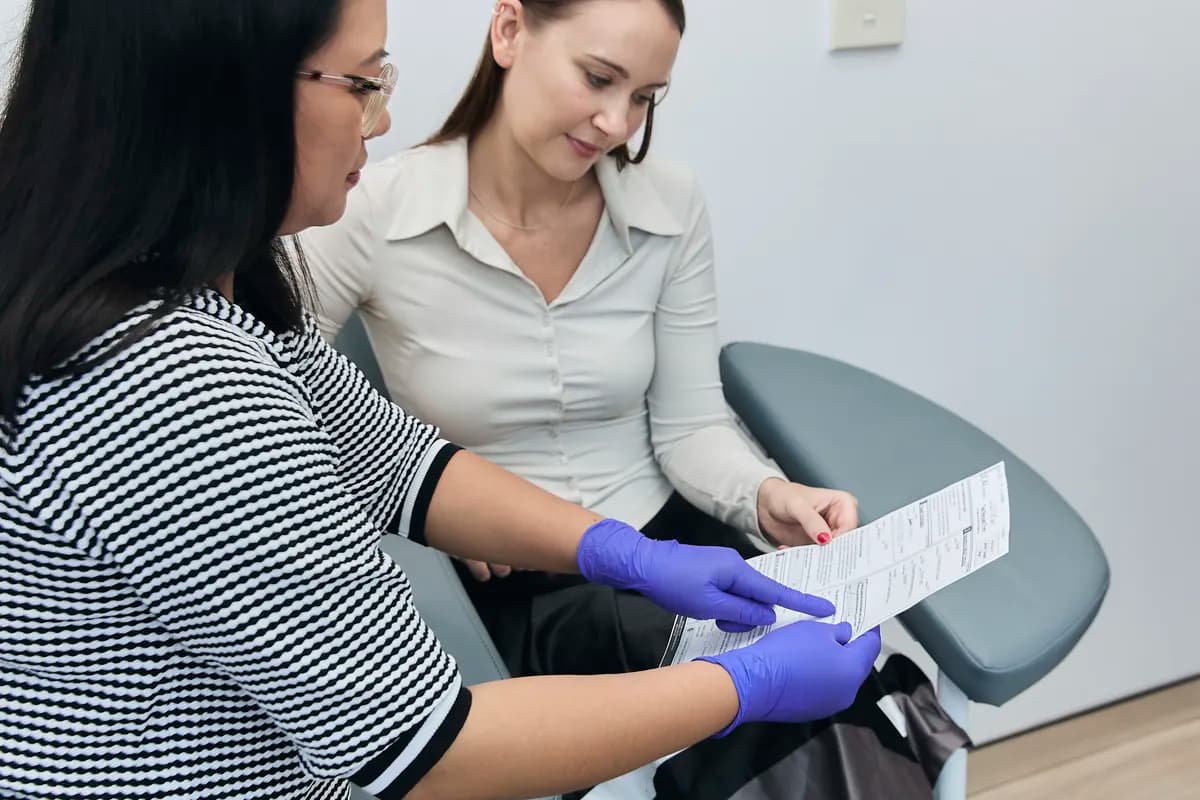
Understanding your personal risk factors starts with a conversation. Taking the time to speak with your GP or making a telehealth appointment is one of the most important steps you can take to better understand your health.
Your GP can discuss your personal and family medical history, lifestyle, and any concerns you may have, helping to identify factors that may influence your health and guide you on the most appropriate next steps for your individual circumstances.
How it works
Steps to clarity
A process designed around you and your doctor. Any assessment is arranged and overseen by an Australian registered-doctor
References
- 1.Around 80% of pancreatic cancer cases are diagnosed only after the cancer has already spread — eviQ, Pancreatic cancer increased risk: risk management. eviq.org.au
- 2.Around 70% of ovarian cancers are diagnosed at an advanced stage — Cancer Council Australia, Ovarian cancer: staging and prognosis. cancercouncil.com.au
- 3.There is no routine national screening program for pancreatic or ovarian cancer in Australia — Cancer Council Australia; Cancer Australia. cancer.org.au, canceraustralia.gov.au
- 4.Around 90% of pancreatic cancers occur in people without a family history — Pancreatic Cancer Network Australia, Causes and risk factors. pankind.org.au
Talk to your doctor about your risk
If you have concerns about your personal or family risk, speak with a doctor about what’s appropriate for you
Any assessment is arranged and overseen by a registered Australian doctor